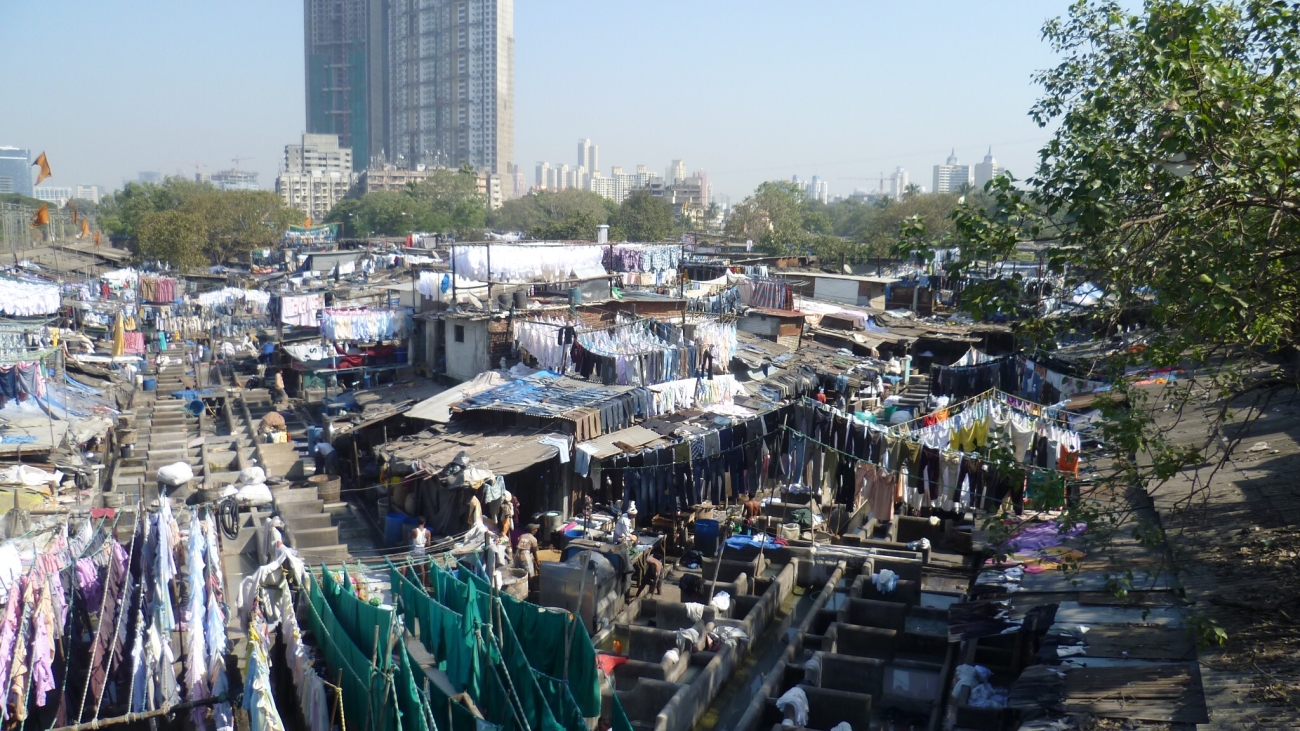
The Indian metropolis of Mumbai is home to what is likely the world’s largest open-air laundry: Dhobi Ghat. For nearly 140 years, clothes belonging to private individuals and government employees—as well as bed linens from hospitals and hotels—have been washed here.
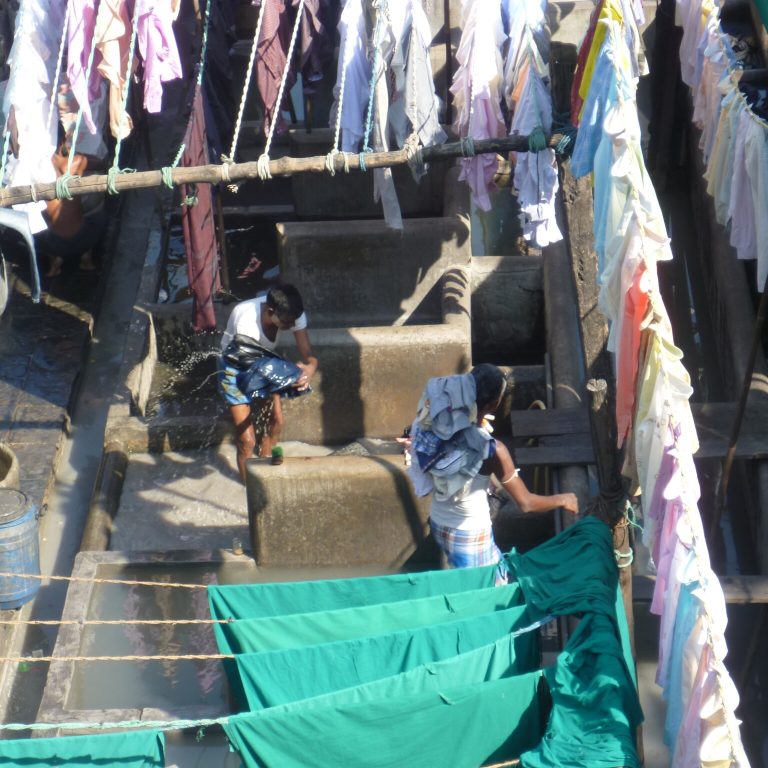
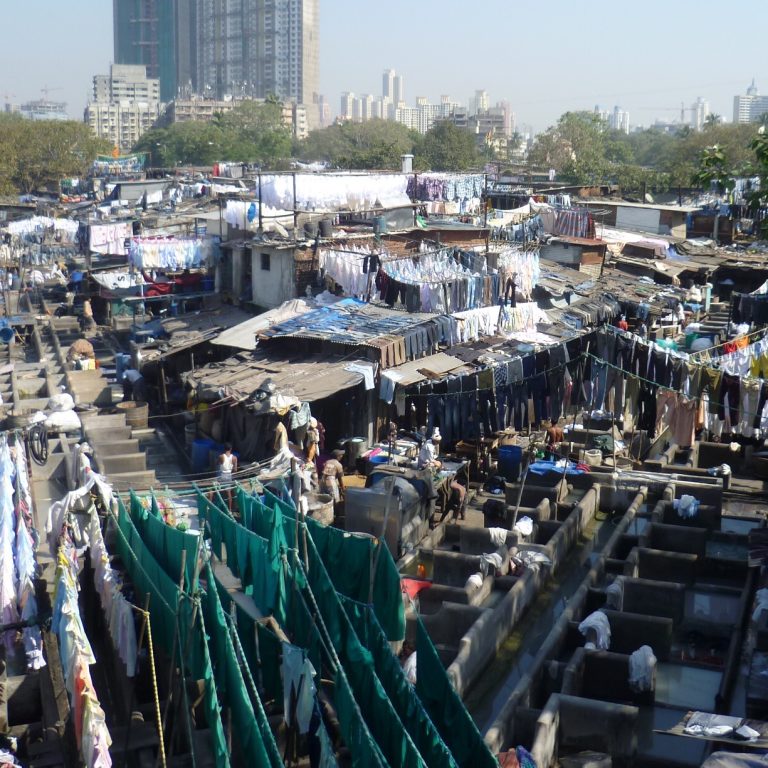
Every day, starting at four in the morning, they stand in the soapy water for up to 16 hours. Located right next to Mahalaxmi train station in the southern part of Mumbai, about 3,000 dhobis—as the laundry workers are called—work here. Their workplace is divided into two sections: Big Dhobi-ghat and Small Dhobi-ghat. The larger area has 631 washing stations, and the other has another 100. All of this takes place in an area roughly the size of three soccer fields. However, that figure also includes the drying areas for the laundry.
At such laundroms, the dhobis spend more than 16 hours
The service was introduced during the colonial era. Dhobi Ghat was established in 1890 to meet the growing demand for clean clothing from British officers, the upper class, and hospitals. At the time, the laundry employed just fifty people.
Tourists love this place
Dhobi Ghat is very popular with travelers. Guides even offer full-fledged tours of the massive laundry complex. India’s film industry, Bollywood, has also used this impressive setting numerous times in its colorful films. These include the film“Dhobi Ghat”(Bombay Diaries) and “Munnabhai MBBS.”
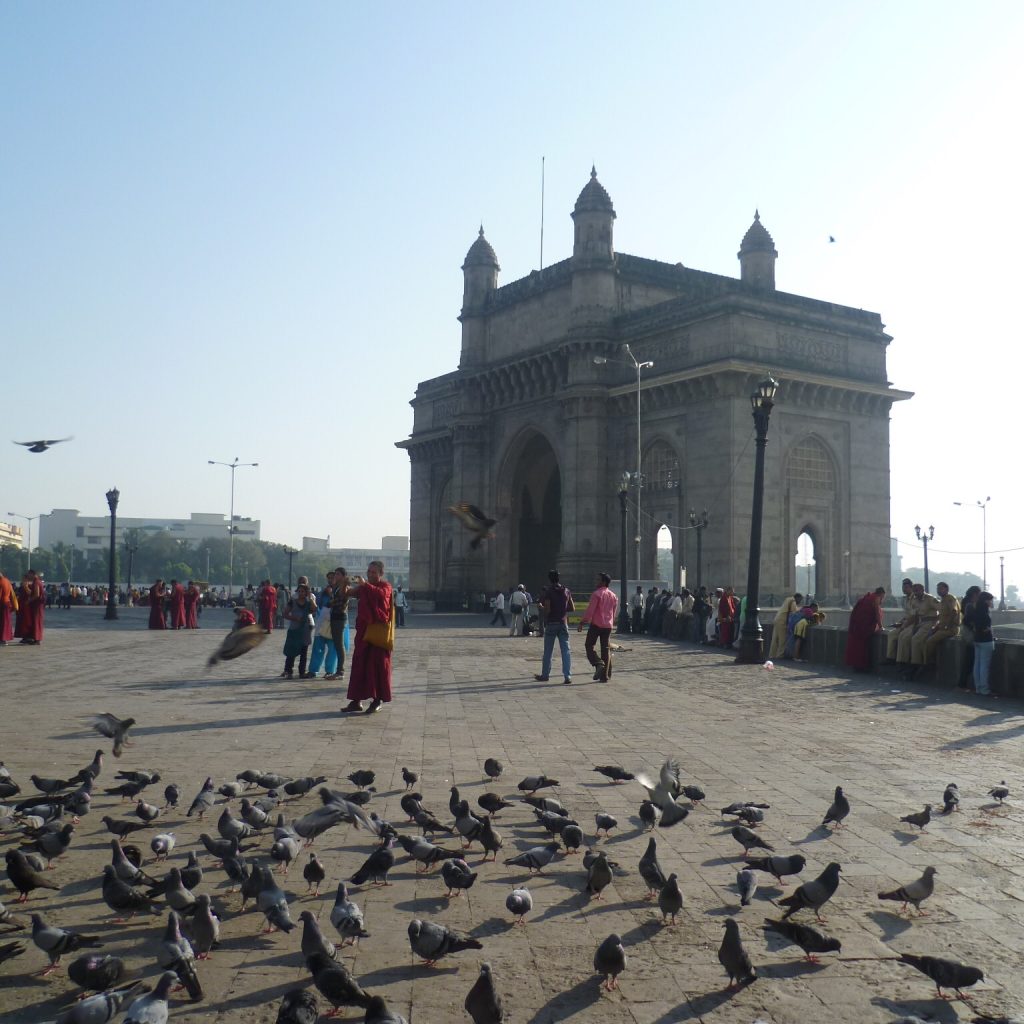
The Gateway of India is another must-see for tourists.
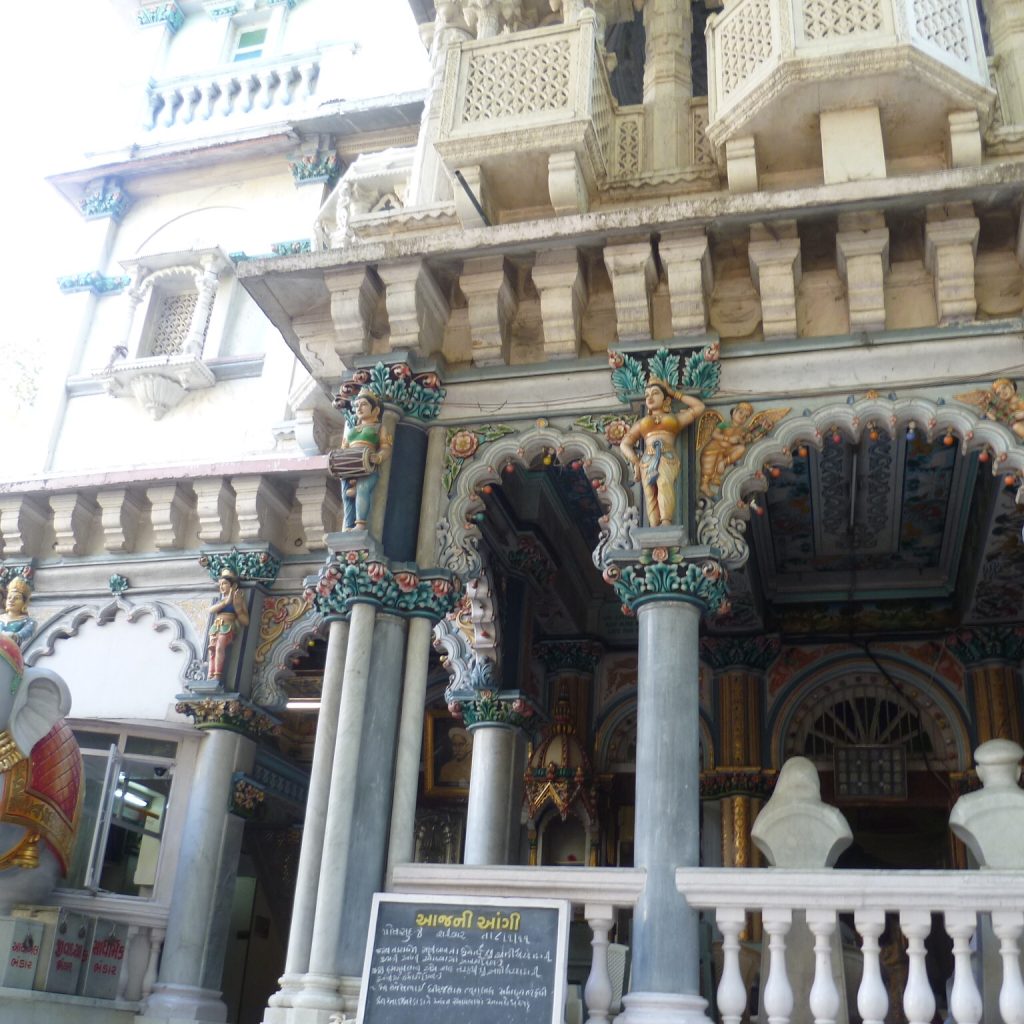
In addition to Dhobi Ghat, there are many temples to see in Mumbai.
Although Dhobi Ghat in Mumbai was the first open-air laundry, it is not the only one. A similar project has existed in Kolkata since 1902, though it is not as large. The dhobis even have their own advocacy group. The Dhobi Kalyan & Audhyogik Vikas Co-operative Society Limited represents the workers’ interests.
By the way, the laundry doesn’t just handle the washing—which is done the traditional way, by vigorously beating the laundry against stones. The staff also dry the fabrics and even smooth them out with coal-fired irons. It’s a comprehensive service, just like what you’d find in laundries here. And they do all this while processing an average of 100,000 garments a day!
Cheaper than any laundromat
If you're wondering how much it costs to have a shirt washed: according to a 2017 article in The Times of India, it's a mere five rupees. That's about five cents. They even guarantee that the clothes will be ready the next day.
Since local hospitals are a major client, great importance is placed on hygiene. Laundry from these hospitals is washed in a separate area. Dhobi Ghat is generally very well organized. Here, workers collaborate closely. While one worker sorts the laundry by color, another washes it. The next person hangs it up to dry, and while the laundry is being ironed, another worker brings in the next load of dirty laundry.
It's hard to capture the scale of the laundry in a single photo.
There are some downsides
But time doesn’t stand still in India either. Washing machines are being used more and more often at Dhobi Ghat. Even though this development may seem a bit of a shame at first glance, the advantages outweigh the disadvantages. Because of all the standing water, the laundry area is teeming with mosquitoes, and outbreaks of malaria caused by these bloodsuckers are common. The lye solution in which the workers stand for hours takes a toll on their skin over time, and the fumes from bleach irritate their lungs.



Add a Comment