Happy Birthday, Smurfs! The blue fantasy creatures celebrated their 68th birthday on October 23. It's high time to dedicate an article to these lovable little guys and their nemesis, Gargamel.
The story of how the Smurfs came to be is somewhat reminiscent of the Hollywood cliché “from rags to riches.” After all, they were originally intended to make just a one-time appearance in a comic book. In 1958, the Belgian Pierre Culliford, better known as Peyo, was looking for an unusual supporting character for his comic. So he invented some small, blue creatures who lived a peaceful life in the forest—if it weren’t for Gargamel, who was always trying to catch them.
A picture-perfect success story
The story “The Smurfs and The Magic Flute” in the comic book “Johann and Pfiffikus” was so popular that they decided to turn the supporting characters into stars. One of their defining traits—turning everything into a “Smurf” thing—originated during a visit to a restaurant. Peyo was out to dinner with a friend. He wanted to ask him to pass the salt, but he just couldn’t think of the right word. So instead, he asked, “Could you please pass me the … ‘Smurf’?” Incidentally, this was long before the Smurfs were invented.
In 1959, the time had finally come. The Smurfs got their very first story of their own. The title “The Black Smurfs” was later broadcast on television under a different name. “The Smurfs See Red” is the very first adventure of these tiny forest dwellers.
The Smurfs evoke a sense of nostalgia in many people.
Around this time, we also learn why Gargamel is so determined to capture the Smurfs. He needs them to make a magic potion that can turn iron into gold. The little blue creatures would thus bring him wealth and fame, which explains his obsession with them.
Global Success
After winning the hearts of the Belgians and later the French, they continued their triumphant march into Germany in the late 1960s. There, they faced a challenge: the title “Les Schtroumpfs” sounded too much like “stockings.” Since they didn’t want to be associated with nylon legwear, they were simply called “Schlümpfe.”
In 1975, the characters from the comic strip “Johann and Pfiffikus” made their first appearance on the big screen. Just a few years later, in 1981, they had their own TV show. They’d made it: out of the comic book and onto the small screen (and into the hearts of children).
Their adventures have now been translated into 25 languages and are known around the world—and not just in comics and on television. Records were also released under the “The Smurfs” brand with great success, earning more than 50 gold and over 70 platinum records.
Here are a few facts that aren't very well known:
The Smurfs are as tall as three apples stacked on top of each other
They are vegetarians. They eat a fruit called “sarsaparilla”—and cake. By the way, this fruit actually grows in Mexico.
Smurfs aren't born. The stork brings them.
Papa Smurf is almost 550 years old
Male Smurfs have thinning hair. That's why they all wear hats.
Their motto is: “Everything for Smurf, Smurf for everyone.”
Interesting Theories
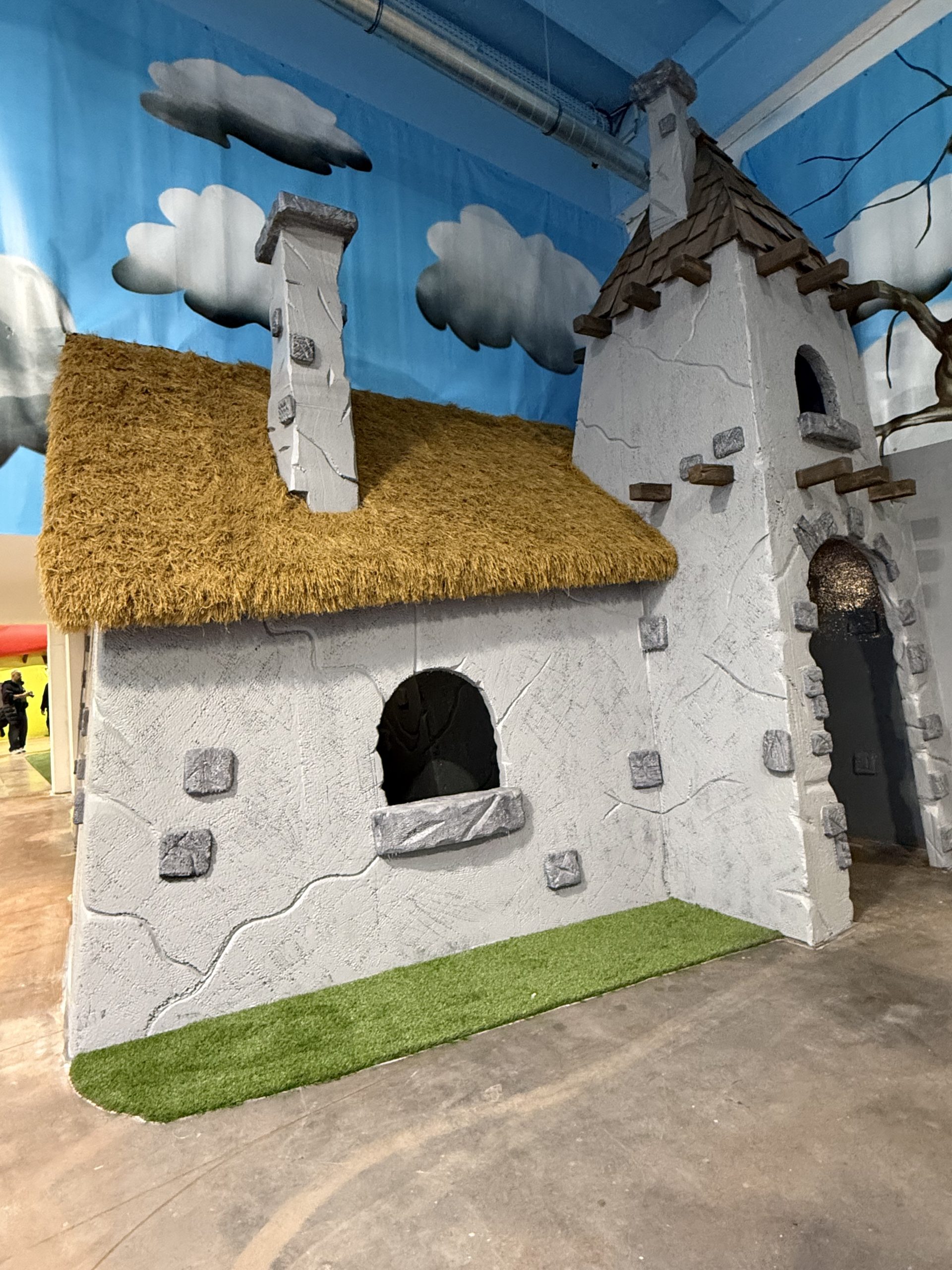
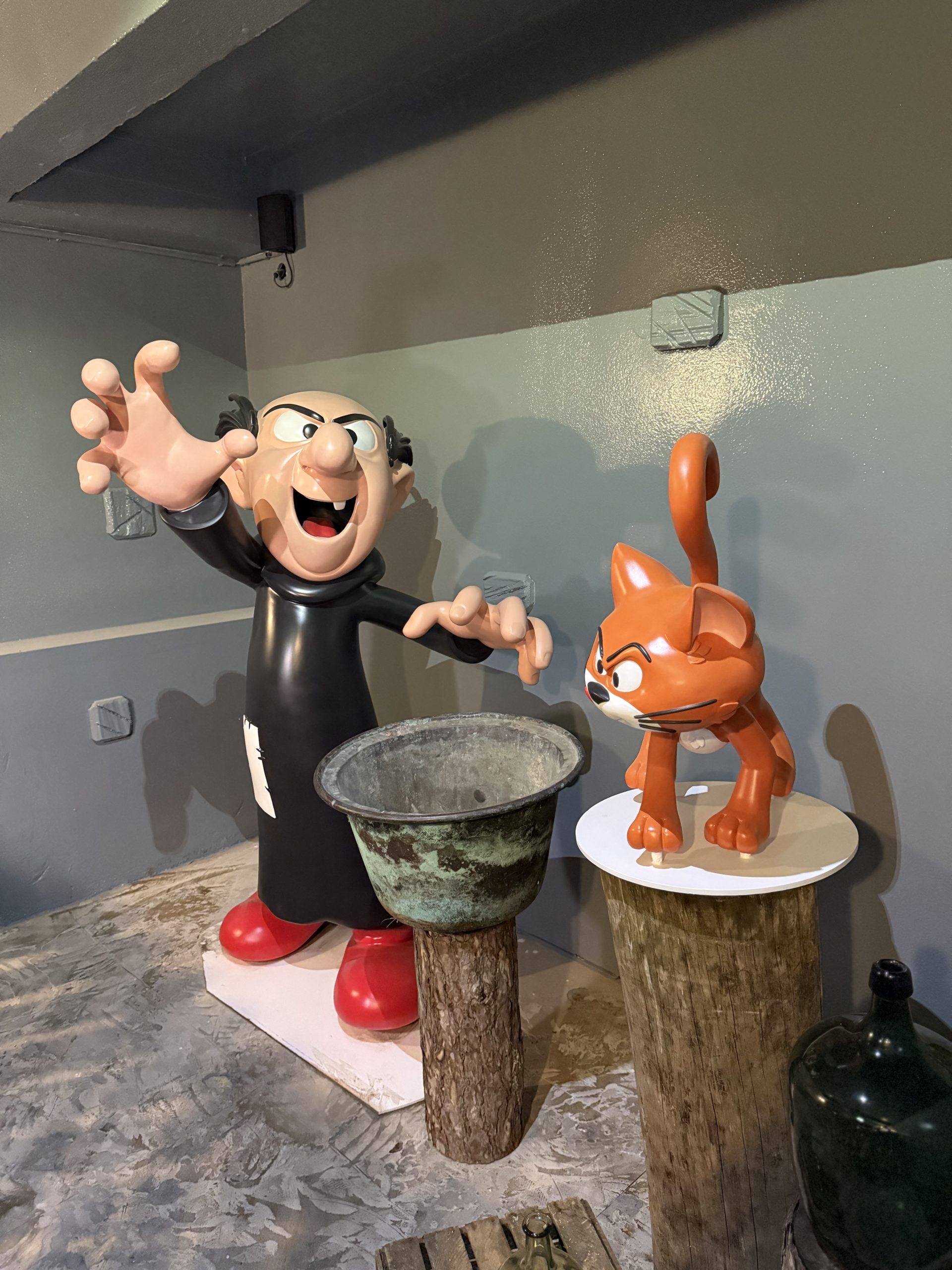
Conspiracy theorists have also taken an interest in the Smurfs. One theory claims that the blue creatures are actually the villains and Gargamel is the hero. Among other things, this theory is based on Papa Smurf’s red cap, which is said to imply that he is “Satan.” Furthermore, Gargamel’s clothing resembles a monk’s habit, and his house looks like a dilapidated monastery. Another clue is the name of Gargamel’s cat. “Azrael” is an archangel in the Catholic faith and the “Angel of Death” in Islam. However, he also symbolizes change, healing, and peace.
Gargamel's house is somewhat reminiscent of an old monastery
According to one theory, these two are supposed to be the good guys: Gargamel and Azrael the Cat
Another theory suggests that the Smurfs are meant to represent communists. They work selflessly for the common good. Gargamel, on the other hand, is only concerned with himself and thus represents capitalism. It has even been claimed that the series was used to influence children during the Cold War.
Last but not least: The Smurfs are meant to represent the seven deadly sins: Smurfette (Lust), Brainy Smurf (Pride), Lazy Smurf (Sloth), Greedy Smurf (Gluttony), and Grumpy Smurf (Wrath), to name just a few.
They were given their own village in Austria.
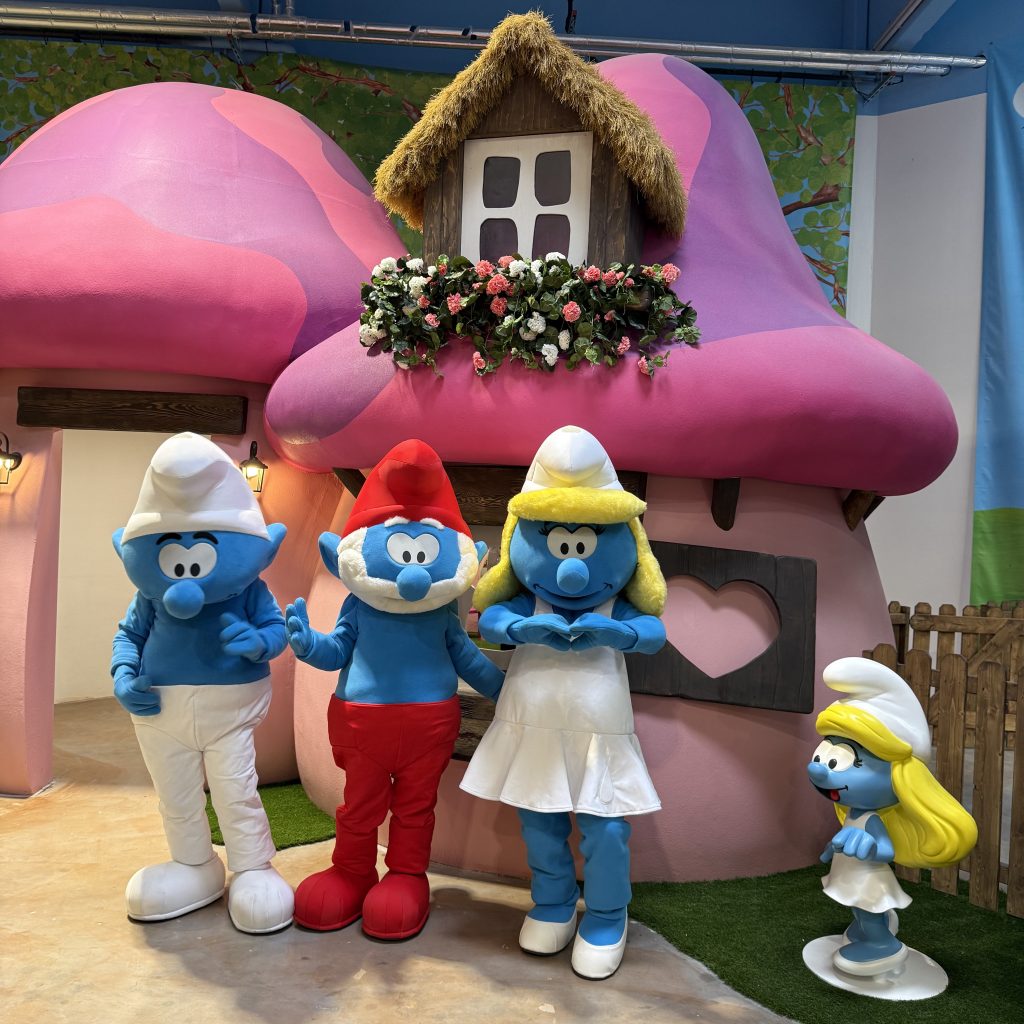
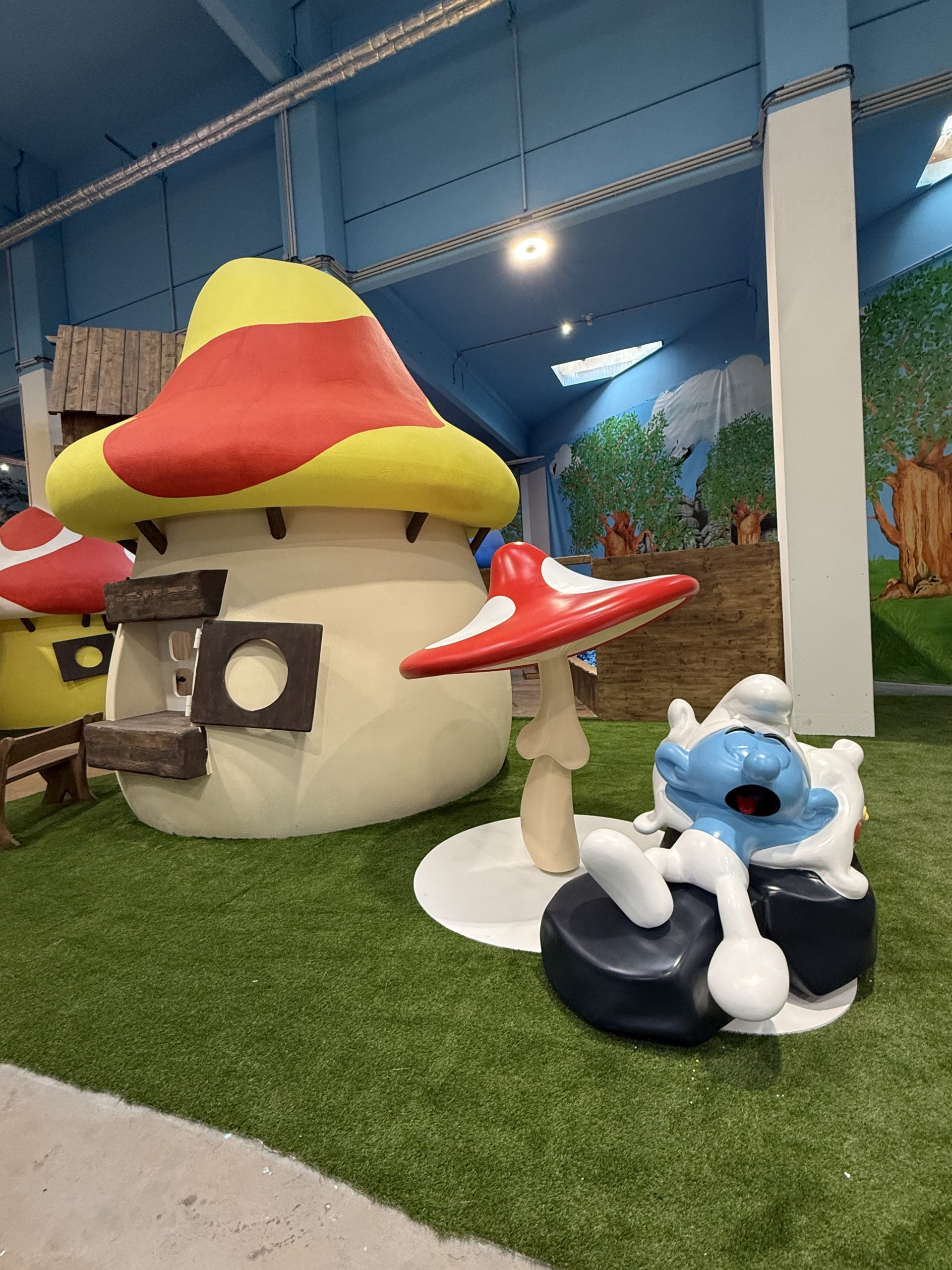
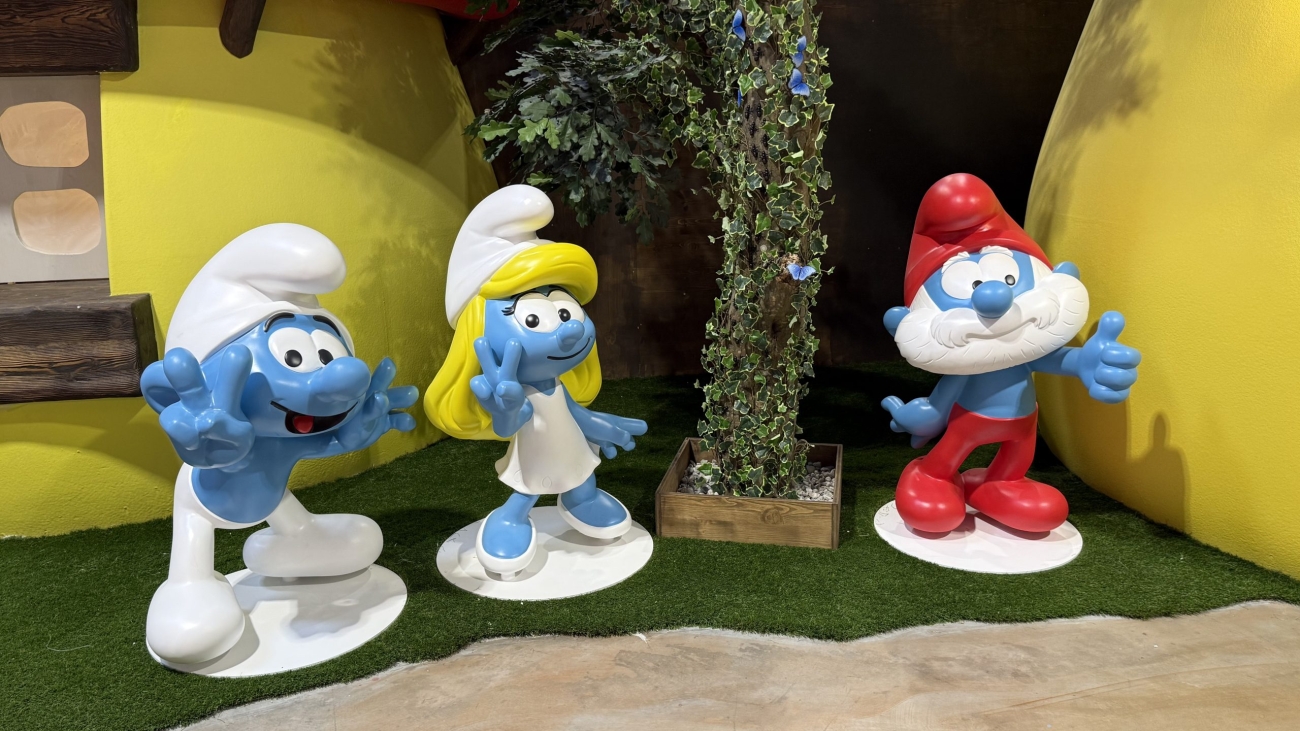
A Smurf village opened in Traiskirchen (near Vienna) at the end of October 2026. In this 2,000-square-meter indoor theme park, visitors can feel like a Smurf. You can walk inside the houses, and the trees are life-size (and they’re even real!).
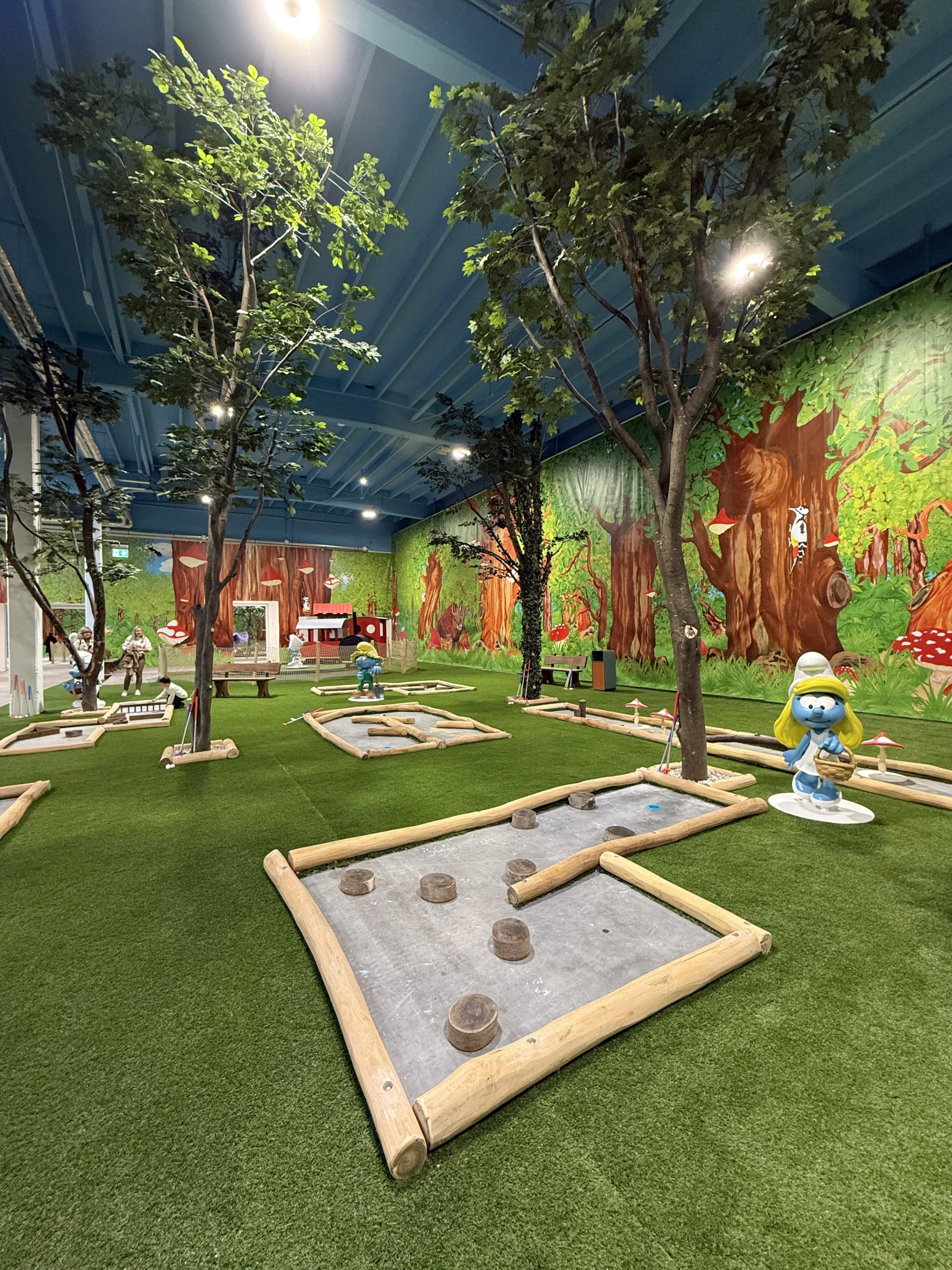
The park is designed for families. Mini-golf, small rides, and edutainment are all part of the focus, alongside fun. In the six-meter-tall climbing tree, children learn the names of insects before sliding back down. There’s also a go-kart track with beetle-shaped cars—a very special one at that. Here, parents can even take over the controls remotely at night if the little ones get overwhelmed.
One of the 15 attractions is the mini-golf course in Smurf World
Supposedly, the Smurfs represent the seven deadly sins. Like sloth.
It took two years to complete the theme park. When you visit, you can really see the attention to detail—and the love for the characters. Of course, there’s also a merchandise stand where you can pick up all sorts of Smurf-themed items. Pillows, collectible figurines, and Smurf mugs are sure to please fans of all ages.
Speaking of merchandise: In my Etsy shop, you’ll find lots of unique gift ideas—for others, but also for yourself. Air from the Alps, for the person who already has everything. Or your very own biography! Maybe you’d like to explore the world through a photo book —or even travel there yourself? If so, I’d be happy to help you plan your trip.



Add a Comment