As soon as a new year begins, many people strive for change. They want to become healthier, save more and generally improve their lives. The classic New Year's resolutions. However, some go one step further: they strive for greater things and seek their happiness in Eastern philosophy. The internet is full of good tips and advice on this. But what are terms like Wabi Sabi or Kaizen all about?
Japanese culture is very diverse. Some of the wisdom that is currently being hyped on social media is centuries old. They have their roots partly in religions, but also in samurai culture.
This ancient tree was marked as sacred by means of shimenawa ("sacred rope"). (Shinto religion)
Where does the wisdom come from?
Zen Buddhism:
This is about the importance of meditation and mindfulness in everyday life. This profound Buddhist saying sums it up: "Sit still and do nothing. Spring will come and the grass will grow by itself". We should trust in the natural course of things. Everything is fleeting. The sooner you accept this, the better. That's why it's important to try to live in the here and now.
Shintoism:
The original religion of the Japanese is about the worship of nature. According to the Shinto religion, all things, animate and inanimate, have "kami" within them. Kami is often equated with "God" or "holiness", but is to be understood as all-encompassing. Kami can be good and evil at the same time. Opposite and yet inseparably united. Shintoism stands for a deep connection and respectful interaction with nature.
Samurai:
Japanese warriors lived by a strict code. Everything revolved around discipline, loyalty and honor. The values of courage, justice, respect, honesty and compassion also played an important role. They not only acted according to these principles in battle, the samurai lived their entire lives accordingly.
These three building blocks have made a decisive contribution to the development of Japanese teachings. The following words of wisdom are intended to encourage people to pause and reflect more often. The aim is to reflect on one's own values. The aim of the philosophy is also to question ingrained habits. In general, a more respectful approach to others, but also to oneself, should be cultivated.
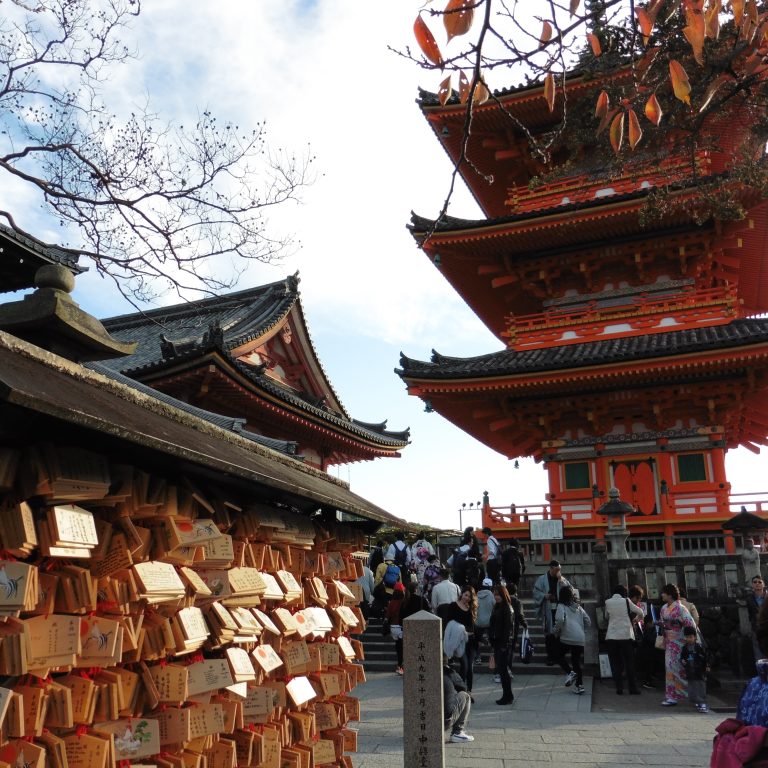
Buddhism plays a major role in Japan.
An impressive pagoda and ema. Believers write their wishes on the wooden panels.
There are many more than seven words of wisdom.
In many internet forums, there is talk of seven wisdoms. This is very simplified and far from complete. Here is a small selection of the most important tips from the land of the rising sun:
Ikigai:
Discover your purpose - what is the reason you get up every morning? It should align with your strengths and passions. This will give your life meaning.
Shikata ga nai:
Let go of what you can't change. Some things are out of our control and that's perfectly fine. Instead, focus on what you can influence.
Wabi Sabi:
Recognize the beauty in imperfection. Nothing in life is perfect. Instead of constantly striving for it, discover the joy of imperfection.
Gaman:
Maintain your composure even in difficult moments. You should also show emotional maturity and dignity in conflict situations. Remain understanding towards the other person.
Oubaitori:
Don't compare yourself with others. This is a major cause of dissatisfaction. Everyone has their own path. It is therefore better to focus on your own progress rather than on your fellow human beings.
Kaizen:
Always strive for improvement. At the end of the day, ask yourself "What can I do better in my life?" This applies to all areas of life. Health (physical and mental), partnership, career,... Even small changes lead to big improvements over a longer period of time.
Shu Ha Ri
You could compare this wisdom with the saying "You never stop learning".
With "Shu" you learn the basics. Internalize the knowledge of a teacher who is a leader in his field. You then put what you have learned into practice ("Ha").Ri" refers to supplementing what you have learned with new knowledge. This allows you to surpass yourself.
Mottainai:
Do not throw anything away unnecessarily, but appreciate its value. This can be applied to things, but also to other things such as time or energy.
Omoiyari:
Take care of others and look after their well-being.
Shoshin:
Stay open to new things, curious and willing to learn! This way you will always gain new perspectives and grow from them.
Ganbaru:
Persevere in difficult situations and defy the odds. Remain persistent and determined, even in times of setbacks and challenges.
Teinei:
Be polite and careful in your dealings with others - and yourself! Mindfulness is important, both in actions and thoughts.
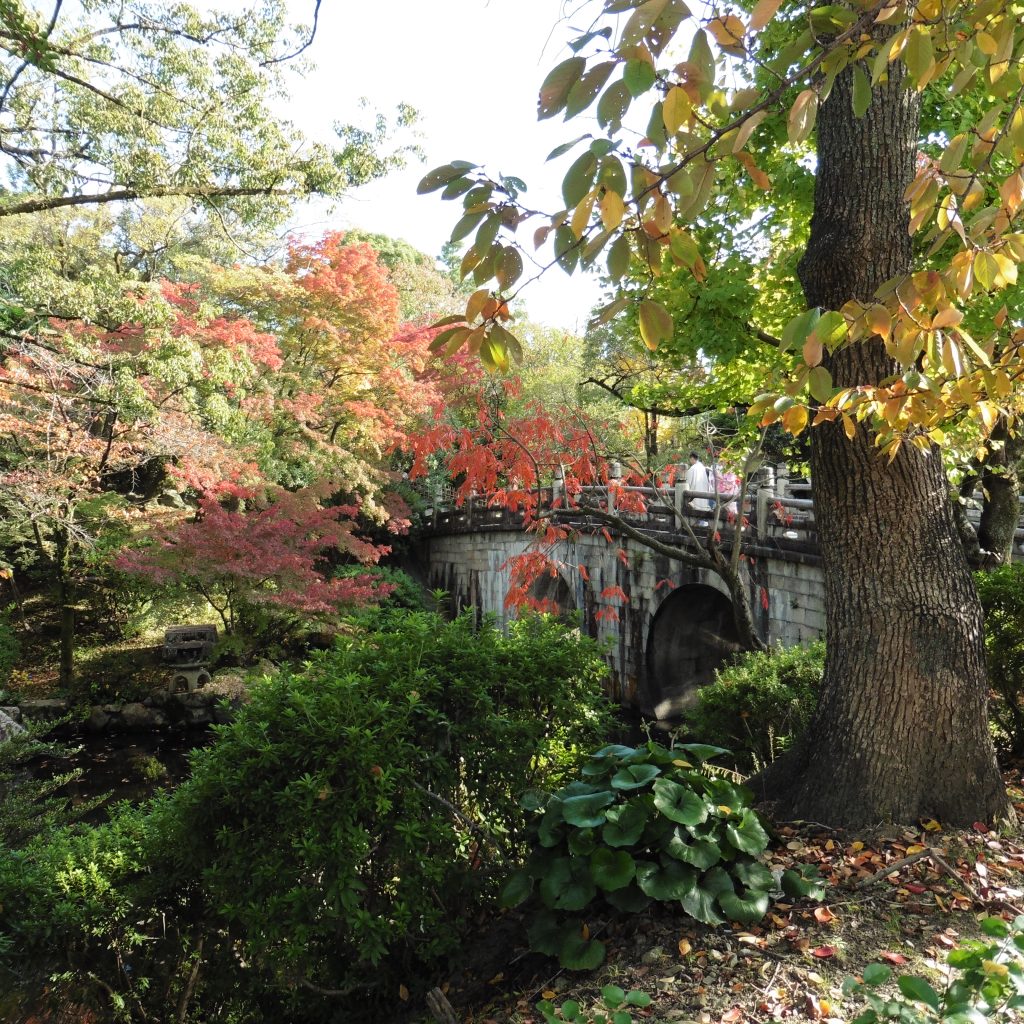
The path to a Shinto temple almost always leads over a bridge.
It's not all that new.
Most of these concepts have also been known in Europe for a long time. Some of them have been passed on from one generation to the next through proverbs or quotations.
Incidentally, Japanese culture has much more to offer than just a few life lessons. So please stay tuned, I will continue to make this fascinating culture the subject of this blog.
Are you also annoyed by the many pop-ups and advertisements? Please support free, independent journalism to prevent this from happening here. Thank you!




Add a Comment